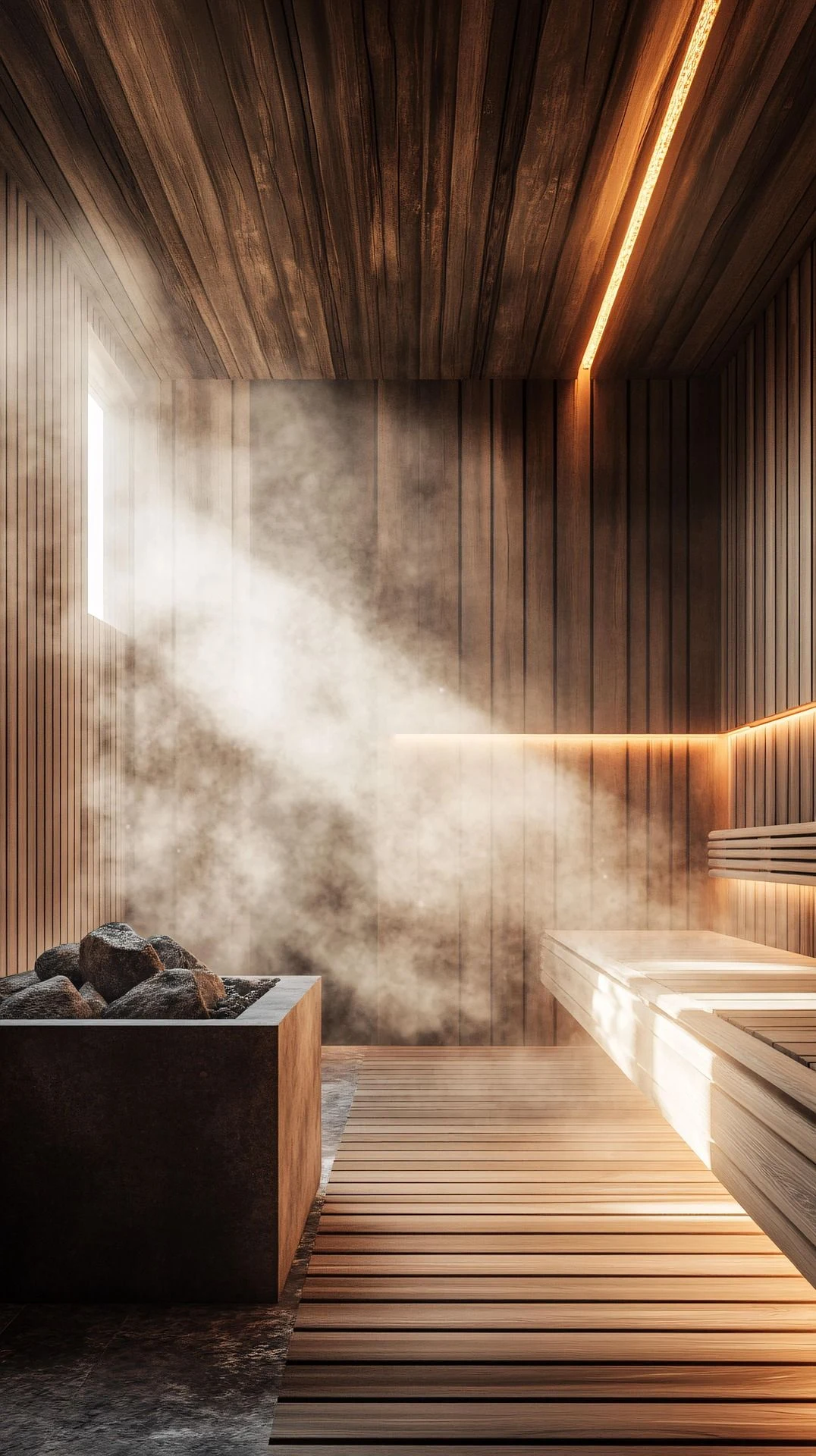
An attentive approach to fragrance.
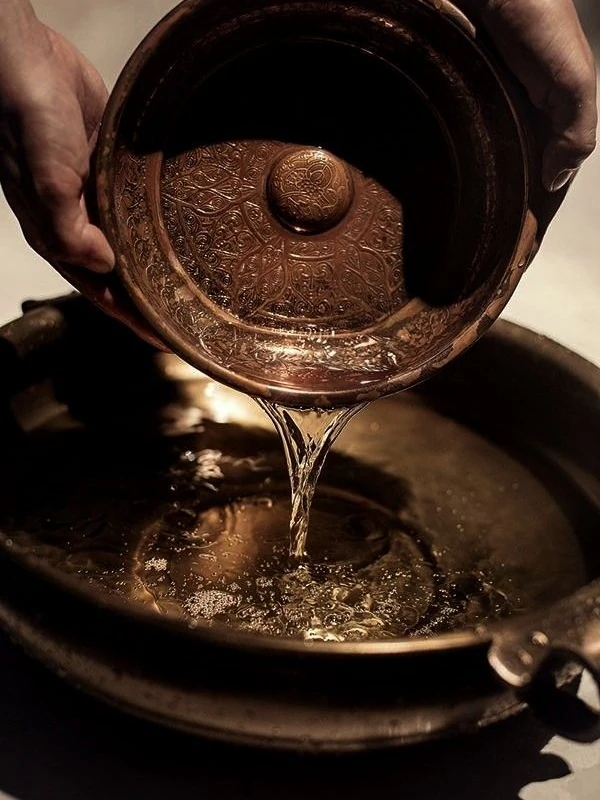
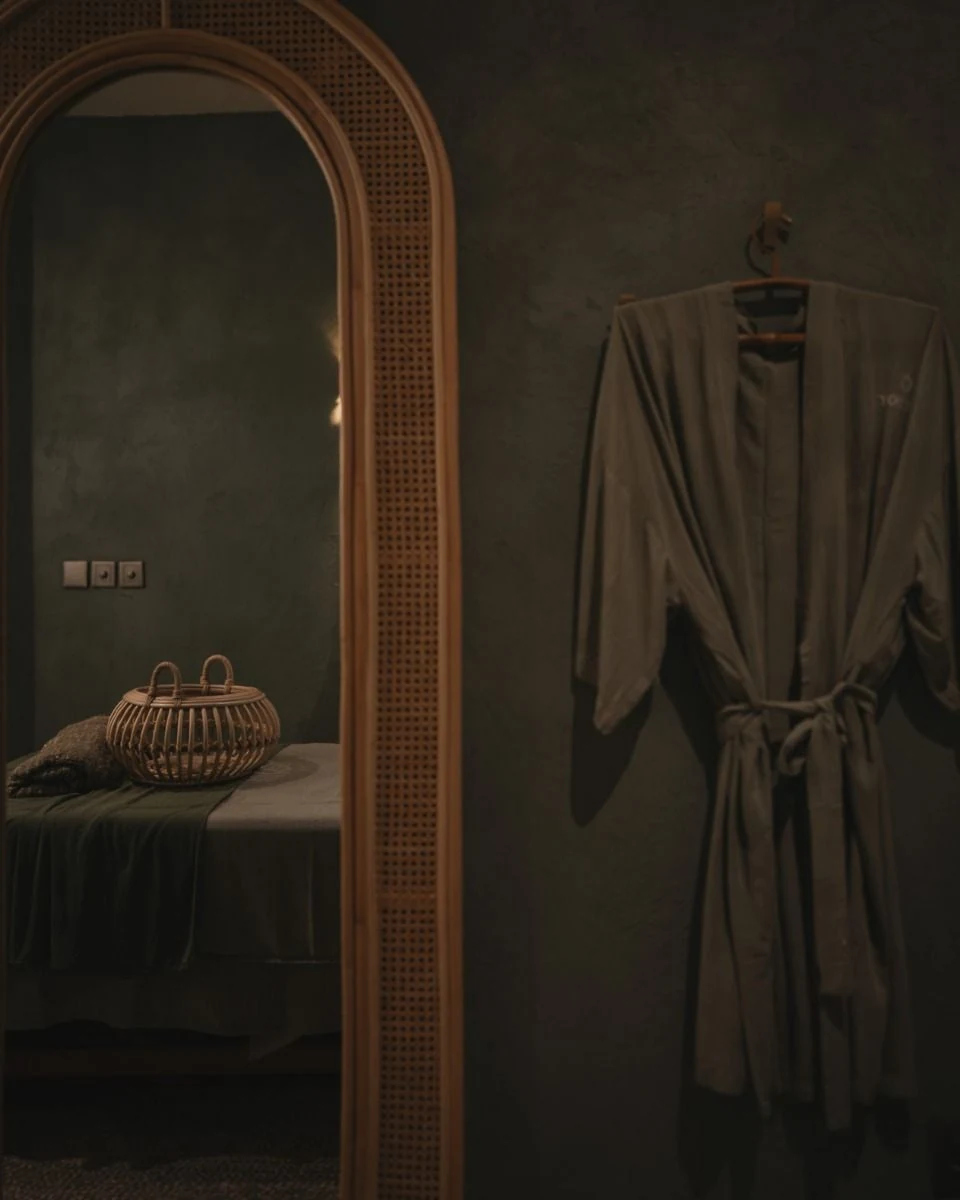
A treatment room is already full of sensory detail. The warmth of a treatment bed, freshly laundered linen, the sound of water being drawn into a basin. There may be the faint smell of massage oil or the botanical ingredients used in a treatment. Little else is needed to make the room feel complete.
Fragrance has to be approached with particular care in such surroundings. What is pleasant on arrival may become intrusive over the course of an hour, especially when guests are resting or receiving treatments.
A Fragrance of Its Own
The familiar vocabulary of spa fragrance is a narrow one. Eucalyptus, mint, citrus and the suggestion of freshly washed linen have become common references, though they are by no means the only materials suited to a wellness environment.
A spa set within an old country estate may draw on the plants growing in its gardens. A contemporary bathhouse might suggest something quite different, perhaps the dry quality of cedar, the green edge of crushed leaves or a restrained floral composition.
These are starting points rather than formulas.
OLFO looks at the character of the property, its approach to treatments and the atmosphere the interiors already create. The fragrance direction develops from those observations, without assuming that a particular ingredient will produce the same emotional response in every guest.
Where Fragrance Belongs
A guest might encounter scent in the reception area before moving through changing rooms to a treatment suite. Along the way, the sensory conditions change. Steam, skincare products and the natural smell of wet stone may already be present.
There is little reason to introduce the same fragrance at the same intensity throughout.
Some spaces may accommodate a discreet ambient scent. In others, particularly treatment rooms, it may be preferable to rely on the products already in use or leave the air unscented.
Ventilation, the duration of treatments and the comfort of guests and staff all inform these decisions. Any fragrance programme must also account for the practical requirements of the property.
In a spa, knowing where to leave fragrance out matters as much as deciding where to introduce it.
Related